
The Ultimate Camping Checklist: Essential Gear and Supplies You Cannot Afford to Miss
Camping is one of the most rewarding outdoor activities you can experience. Whether you're a seasoned adventurer or a first-time camper, proper preparation is the key to ensuring a safe, comfortable, and enjoyable trip. The difference between a memorable camping experience and a frustrating one often comes down to whether you've packed the right gear and supplies. This comprehensive guide will walk you through everything you need to know about preparing for a camping trip, with detailed checklists and expert advice to ensure you don't forget a single essential item.
Understanding the Importance of a Camping Checklist
Before we dive into the specific items you'll need, it's important to understand why having a comprehensive camping checklist is so crucial. Many first-time campers underestimate the importance of thorough preparation, often resulting in uncomfortable nights, safety hazards, or ruined trips. A well-organized checklist serves multiple purposes: it ensures you don't forget critical items, helps you stay within budget, prevents overpacking, and gives you peace of mind knowing you're prepared for various situations.
The wilderness doesn't care about your excuses or oversights. If you forget your sleeping bag, you won't be able to borrow one from nature. If you neglect to bring a first aid kit, a minor injury could become a major problem. By taking the time to create and follow a comprehensive checklist, you're investing in your safety, comfort, and the overall success of your camping adventure.
Shelter and Sleep System Essentials
Your shelter and sleep system are arguably the most important components of your camping setup. These items protect you from the elements and provide the comfort necessary for a good night's sleep in the wilderness.
Tent Selection and Setup
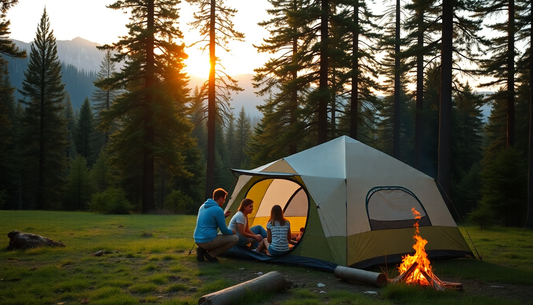
The tent is your home away from home, and choosing the right one is critical. When selecting a tent, consider the season you'll be camping in, the expected weather conditions, and the number of people who will be sleeping inside. A three-season tent is suitable for spring, summer, and fall camping, while a four-season tent is designed for winter conditions and harsh weather.
Key features to look for in a tent include a waterproof rainfly, good ventilation to prevent condensation, sturdy poles, and a bathtub-style floor that extends up the sides to keep moisture out. The tent should be large enough to comfortably accommodate all occupants plus some gear storage. Don't forget to bring tent stakes, guy lines, and a repair kit for emergency fixes.
Sleeping Bags and Pads
A quality sleeping bag is essential for maintaining body heat and staying comfortable throughout the night. Sleeping bags are rated by temperature, so choose one appropriate for the lowest temperature you expect to encounter. It's better to have a bag rated for colder temperatures than you need than to be caught in the cold without adequate insulation.
Sleeping pads serve two critical functions: they provide insulation from the cold ground and add comfort to your sleeping surface. There are several types of sleeping pads available, including foam pads, inflatable pads, and self-inflating pads. Each has its advantages and disadvantages in terms of weight, packability, insulation value, and comfort. Many experienced campers recommend bringing both a sleeping pad and a camping pillow for optimal comfort.
Additional Bedding Items
Beyond the basic sleeping bag and pad, consider bringing extra blankets or a sleeping bag liner for added warmth and comfort. A camping pillow, while not strictly necessary, can significantly improve your sleep quality. Some campers prefer to bring their own pillow from home, while others opt for lightweight camping-specific pillows that pack down small.
Cooking and Food Storage
Proper nutrition and hydration are essential for maintaining energy and health during your camping trip. Your cooking setup and food storage solutions will depend on the type of camping you're doing and how long you'll be away from civilization.
Camping Stove and Fuel
A reliable camping stove is essential for preparing hot meals and beverages. There are several types of camping stoves available, including canister stoves, liquid fuel stoves, and solid fuel stoves. Canister stoves are lightweight and convenient, making them popular among backpackers. Liquid fuel stoves are more efficient in cold weather and at high altitudes. Solid fuel stoves are the lightest option but offer less control over heat.
Whichever type you choose, make sure you have enough fuel for your trip. It's always better to have extra fuel than to run out mid-trip. Store fuel in appropriate containers and keep it away from your sleeping area and food storage.
Cookware and Utensils
You'll need basic cookware including pots, pans, and a kettle for boiling water. A lightweight camping cookware set typically includes a pot and pan that nest together for easy packing. Bring cooking utensils such as a spatula, spoon, and tongs. Don't forget a cutting board and knife for food preparation.
Eating utensils are equally important. Bring plates, bowls, cups, and utensils for each person in your group. Many campers prefer lightweight camping dishes made from plastic or titanium. Bring a dish brush and biodegradable soap for cleaning your cookware and dishes.
Food and Water
Plan your meals carefully and bring appropriate food for your trip. Non-perishable items like pasta, rice, canned goods, and dried fruits are excellent camping foods. Bring snacks such as nuts, granola bars, and dried fruit for quick energy boosts. Don't forget breakfast items like oatmeal, cereal, or instant pancake mix.
Water is absolutely critical. Bring more water than you think you'll need, or bring a water filtration system if you'll be camping near a water source. A good rule of thumb is to bring at least two liters of water per person per day, plus extra for cooking and cleaning. Water purification tablets or a portable water filter are essential if you're relying on natural water sources.
Food Storage and Bear Safety
Proper food storage is crucial for both your safety and the safety of wildlife. If you're camping in bear country, use bear canisters or hang your food from a tree branch at least twelve feet high and ten feet away from your tent. Never store food in your tent, as this attracts bears and other wildlife directly to your sleeping area.
Clothing and Personal Protection
Proper clothing is essential for staying comfortable and protected from the elements. The key to comfortable camping is dressing in layers that you can add or remove as needed.
Base Layers and Insulation
Start with moisture-wicking base layers made from synthetic materials or merino wool. These materials pull sweat away from your skin, keeping you dry and warm. Avoid cotton, which absorbs moisture and loses its insulating properties when wet.
Bring multiple sets of base layers so you have clean, dry clothes to change into. Include long-sleeved shirts and long pants for protection from sun and insects. A fleece jacket or wool sweater provides excellent insulation and can be easily packed away when not needed.
Outerwear and Rain Gear
A waterproof, breathable rain jacket is essential for protecting yourself from rain and wind. Look for jackets with sealed seams and pit zips for ventilation. Bring rain pants as well, as wet legs can lead to hypothermia even in relatively mild conditions.
A warm hat and gloves are important for cold weather camping, even if you don't expect freezing temperatures. Body heat escapes rapidly through your head, so a good hat can make a significant difference in your comfort level.
Footwear
Bring appropriate footwear for your camping environment. Hiking boots provide ankle support and protection on uneven terrain, while trail shoes are lighter and more comfortable for casual walking around camp. Bring extra socks, including wool socks for warmth and moisture-wicking socks for active hiking. Many campers also bring camp shoes or sandals for wearing around the campsite.
Sun and Insect Protection
Sunscreen is essential for protecting your skin from harmful UV rays. Bring a high-SPF sunscreen and reapply frequently, especially after swimming or sweating. A wide-brimmed hat provides additional sun protection.
Insect repellent is crucial, especially if you're camping during peak mosquito season. Look for repellents containing DEET or picaridin for maximum effectiveness. Bring bug spray, insect repellent wipes, and consider bringing a head net for particularly buggy conditions.
Safety and First Aid
Safety should always be your top priority when camping. A well-stocked first aid kit and knowledge of basic safety practices can prevent minor issues from becoming major problems.
First Aid Kit Essentials
Your first aid kit should include bandages of various sizes, antibiotic ointment, pain relievers, antihistamines for allergic reactions, and blister treatment supplies. Include tweezers for removing splinters and ticks, and a small scissors. Bring medications for common ailments like diarrhea, heartburn, and cold symptoms.
Include elastic bandages for sprains, athletic tape for blister prevention, and pain relief patches. A thermometer can help you monitor for fever or hypothermia. Don't forget any personal medications you take regularly.
Navigation and Communication
Bring a map and compass for navigation, even if you're camping in a familiar area. A GPS device or smartphone with offline maps can be helpful, but don't rely solely on electronics, as batteries can die. Know how to use your navigation tools before you head into the wilderness.
A whistle is an essential safety item that can help rescuers locate you if you become lost. Bring a headlamp or flashlight with extra batteries for navigating in the dark. Many campers also bring a personal locator beacon or satellite communicator for emergency situations.
Fire Safety and Tools
A multi-tool or knife is essential for camp tasks and emergency situations. Bring a fire starter such as waterproof matches, a lighter, or a fire starter kit. Even if you don't plan to build a campfire, having the ability to start one in an emergency could save your life.
Know the fire regulations for your camping area and always follow proper fire safety practices. Never leave a fire unattended, and always fully extinguish fires before leaving your campsite or going to sleep.
Lighting and Visibility
Proper lighting is essential for safety and functionality around your campsite, especially after dark.
Headlamps and Flashlights
A headlamp is one of the most useful pieces of camping gear you can own. It frees your hands while providing light, making it invaluable for cooking, setting up camp, and navigating at night. Bring extra batteries or choose a rechargeable headlamp.
A traditional flashlight or lantern provides ambient lighting for your campsite. Many campers bring both a headlamp for personal use and a lantern for general campsite illumination. LED lights are more efficient and longer-lasting than traditional incandescent bulbs.
Reflectors and Glow Sticks
Reflective gear helps make you visible to others, especially important if you're camping near roads or trails. Glow sticks can mark your tent location and help you navigate in the dark without using a flashlight.
Hygiene and Sanitation
Maintaining proper hygiene while camping is important for your health and comfort, and also shows respect for the environment and other campers.
Personal Hygiene Items
Bring biodegradable soap for washing your hands, face, and body. A small towel or bandana serves multiple purposes, including drying off and wiping your hands. Bring toilet paper and a small shovel or trowel for digging a cathole at least 200 feet away from water sources and your campsite.
Toothbrush and toothpaste are essential for maintaining dental hygiene. Bring deodorant if you prefer, though many campers skip this in the wilderness. Sunscreen and lip balm with SPF protect your skin from sun damage.
Waste Management
Pack out all trash, including food scraps, packaging, and other waste. Bring garbage bags for storing trash until you can dispose of it properly. Never bury trash, as animals will dig it up.
Use a designated area away from your tent for washing dishes and your body. Strain food scraps from dishwater and pack them out with your trash. Dispose of greywater at least 200 feet away from water sources.
Camping Furniture and Comfort Items
While not strictly necessary, certain comfort items can significantly improve your camping experience.
Camping Chairs and Tables
A lightweight camping chair provides a comfortable place to sit while eating, relaxing, or socializing. Camping tables are useful for food preparation and eating, keeping food off the ground and away from animals.
Sleeping Comfort Enhancements
A camping pillow, while not essential, can greatly improve sleep quality. Some campers bring a small foam pad to place under their sleeping pad for additional insulation and comfort. A sleeping bag liner can add warmth and keep your sleeping bag cleaner.
Entertainment and Recreation
Books, cards, or games can provide entertainment during downtime. A portable speaker allows you to enjoy music around the campfire. Binoculars are useful for wildlife watching and bird identification.
Miscellaneous Essential Items
Several miscellaneous items round out your camping checklist and address various needs and contingencies.
Repair and Maintenance Supplies
A repair kit should include duct tape, paracord, tent repair patches, and a sewing kit. These items can help you fix gear problems that might otherwise ruin your trip. Bring extra tent stakes and guy lines in case you lose or break any.
Documentation and Money
Bring identification, insurance cards, and any necessary permits or passes. Carry some cash for emergencies, as credit cards may not be accepted in remote areas. Keep important documents in a waterproof bag.
Miscellaneous Useful Items
A notebook and pencil are useful for recording observations, planning meals, or leaving notes. Ziplock bags of various sizes have countless uses for organizing and protecting items. Duct tape wrapped around a pencil takes up minimal space but can be invaluable for repairs.
Bring a watch or timer for cooking and managing your schedule. A thermometer helps you monitor food safety and weather conditions. A small mirror is useful for personal hygiene and can serve as a signaling device in emergencies.
Seasonal Considerations
Different seasons present different challenges and require adjustments to your camping checklist.
Spring Camping
Spring weather is unpredictable, so bring layers and waterproof gear. Insects become active in spring, so insect repellent is essential. Bring extra water as spring runoff can make water sources muddy and difficult to access safely.
Summer Camping
Summer camping requires extra sun protection, including sunscreen, hat, and sunglasses. Bring plenty of water as heat increases dehydration risk. Lightweight, breathable clothing helps you stay cool. Insect repellent is crucial during peak mosquito season.
Fall Camping
Fall weather can be cool and wet, so bring warm layers and waterproof gear. Days are shorter, so bring extra lighting. Fall colors attract many campers, so popular areas may be crowded.
Winter Camping
Winter camping requires specialized gear including a four-season tent, winter-rated sleeping bag, and insulated sleeping pad. Bring chemical hand warmers and extra food for the additional calories needed to maintain body heat. Winter camping should only be attempted by experienced campers with proper training and equipment.
Packing and Organization Tips
How you pack your gear is just as important as what you pack.
Weight Distribution
Pack heavier items lower and closer to your back if you're backpacking. This improves balance and reduces strain on your shoulders and back. Distribute weight evenly between the left and right sides of your pack.
Organization Systems
Use stuff sacks or dry bags to organize gear by category. This makes items easier to find and keeps everything organized. Color-coded bags help you quickly identify what you need.
Space Efficiency
Roll clothes instead of folding them to save space. Compress sleeping bags and clothing with compression sacks. Nest cookware and other items to minimize wasted space.
Pre-Trip Preparation
Thorough preparation before your trip significantly increases the likelihood of success.
Testing Your Gear
Set up your tent in your backyard before your trip to ensure you know how to assemble it and that all parts are present. Test your camping stove to make sure it works properly. Check that your headlamp batteries are fresh and your gear is in good working condition.
Physical Preparation
If you're planning a strenuous hiking trip, prepare physically by doing cardio and strength training. Break in your hiking boots before your trip to prevent blisters. Practice using your gear so you're comfortable with it in the field.
Research and Planning
Research your camping destination thoroughly. Know the weather forecast, terrain, water availability, and any hazards or wildlife you might encounter. Check regulations regarding fires, food storage, and camping locations. Plan your meals and create a detailed packing list based on your specific trip.
Common Camping Mistakes to Avoid
Learning from others' mistakes can help you have a better camping experience.
Overpacking
Many first-time campers bring far too much gear. Remember that you have to carry everything you pack. Start with essentials and add comfort items only if you have room and carrying capacity.
Inadequate Preparation
Failing to test gear, check weather forecasts, or research your destination can lead to problems. Spend time preparing thoroughly before your trip.
Poor Food Planning
Running out of food or bringing food that spoils quickly can ruin your trip. Plan meals carefully and bring appropriate foods for your trip length and camping style.
Neglecting Safety
Forgetting first aid supplies, navigation tools, or emergency communication devices